
Manga is a global industry worth billions, yet many readers are surprised to learn that most manga artists, known as mangaka, struggle financially. Despite worldwide popularity, bestselling series, and massive fanbases, only a small percentage of creators achieve long-term wealth. This article answers the most common questions about why manga artists rarely get rich and explains how the manga industry actually pays them.
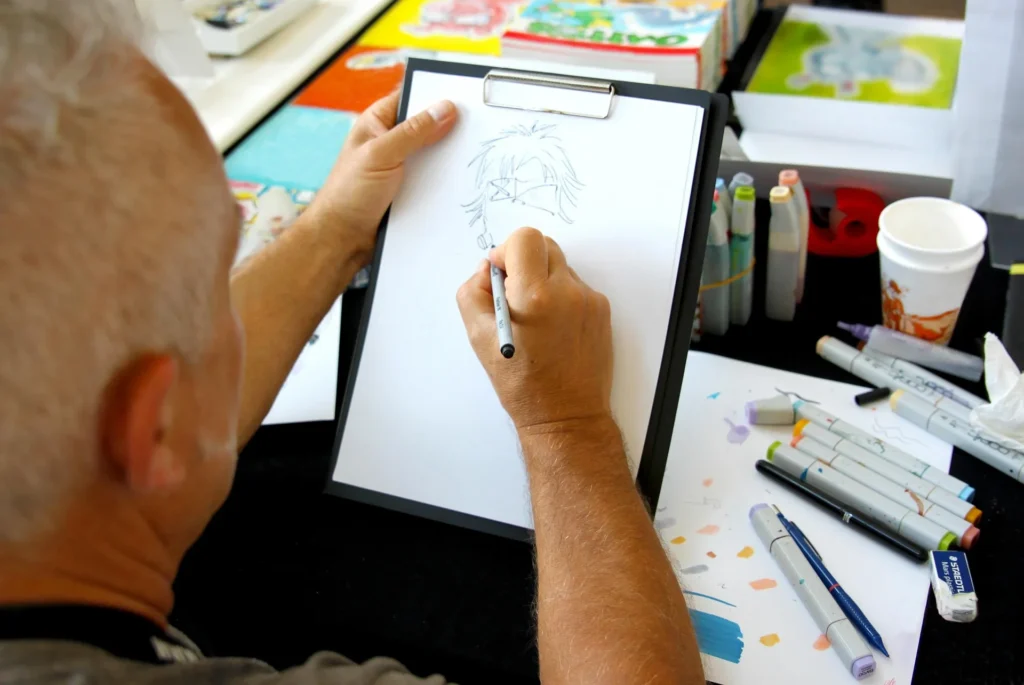
Most manga artists rarely get rich because the industry relies on low base pay, intense competition, and long working hours. While manga sales generate significant revenue for publishers, only a fraction goes directly to the artist. For many creators, income is unstable and heavily dependent on short-term contracts, popularity rankings, and sales performance.
Manga artists are usually paid through a combination of page rates, royalties, and bonuses. The most common form of payment is a fixed rate per published page, which varies by publisher and artist experience. Royalties from collected volumes may be added later, but these are often modest unless the manga sells exceptionally well.
Page rates for manga artists vary widely, but many beginners earn the equivalent of $30–$80 per page, while experienced artists may earn more. Considering the time required to draw, ink, and revise each page, the effective hourly income can be surprisingly low, especially for artists working weekly serialization schedules.
Yes, but royalties from book sales are typically small. Manga artists usually receive around 8–10% of the cover price per volume sold. Printing costs, distribution, marketing, and publisher margins significantly reduce the artist’s share. Only top-selling manga series generate substantial royalty income.
Publishers control printing, distribution, marketing, and licensing deals. They take on financial risk and therefore keep the largest share of revenue. Artists are often freelancers with limited negotiating power, especially early in their careers, which results in contracts that favor publishers.
Anime adaptations can increase exposure and book sales, but they do not guarantee wealth for the original artist. Many mangaka receive little to no direct payment for anime adaptations beyond indirect benefits such as higher manga sales or merchandise visibility. Licensing profits are often retained by production committees and publishers.
Manga artists often work 12–16 hours a day, with few breaks, especially during weekly serialization. Despite the heavy workload, income does not scale proportionally with effort. Assistants must be paid out of the artist’s earnings, further reducing take-home pay.
Yes. Thousands of aspiring artists compete for limited magazine slots. Editors receive far more submissions than they can publish, which keeps bargaining power low for creators. Many artists accept poor financial terms simply to gain exposure or avoid cancellation.
Manga magazines rely on reader surveys and sales performance. If a series does not perform well early, it is often canceled within months. This instability makes it difficult for artists to build consistent income or long-term financial security.
In many cases, artists do not fully own the rights to their manga. Publishers often retain significant control over intellectual property, including adaptations, merchandise, and international licensing. This limits the artist’s ability to profit from their own creation beyond basic royalties.
Yes, but they are rare. A small percentage of mangaka with long-running, global hits earn substantial wealth. These artists often benefit from strong merchandising, anime success, and favorable contracts negotiated later in their careers. However, they are exceptions rather than the rule.
Many manga artists rely on side income such as illustration work, light novel art, teaching, digital commissions, or crowdfunding. Some also publish independently online or sell merchandise directly to fans to supplement their earnings.
Slowly. Digital platforms, web manga, and self-publishing have created new opportunities for artists to retain more control and revenue. However, traditional publishers still dominate the industry, and financial reform remains limited.
The global success of manga, high anime budgets, and merchandise sales create the illusion that creators are wealthy. In reality, most profits are distributed across publishers, production committees, distributors, and retailers, leaving artists with a relatively small share.
The manga industry thrives on creativity, but it often relies on artist passion rather than fair compensation. Long hours, creative pressure, and financial instability are common, even among published professionals.
Final Thought: Why Manga Artists Rarely Get Rich
Manga artists rarely get rich because the industry prioritizes volume, speed, and publisher control over creator compensation. While manga generates enormous global revenue, most artists receive modest pay, limited royalties, and little long-term security. Understanding how the manga industry really pays its creators reveals a system driven by passion rather than profit—and highlights why supporting artists through legal purchases, merchandise, and direct platforms matters more than ever.
Leave a Reply