
If you have ever browsed a manga section at a bookstore, scrolled through an anime streaming platform, or spent any time in online communities dedicated to Japanese comics and animation, you have almost certainly encountered these four words: seinen, shonen, josei, and shojo. They appear on book spines, in genre tags, in recommendation threads, and in the casual vocabulary of anyone who talks about manga with any regularity.
And yet, for newcomers and even for people who have been reading manga for years without digging into the terminology, these words can remain mysterious or vaguely understood. People often have an intuitive sense that shonen means action and shojo means romance, but that simplified understanding misses most of what these terms actually mean, where they come from, why they matter, and how they shape the stories that fall under each label.
This article explains all four demographic categories from the ground up — what they actually mean, how they originated, what kinds of stories they typically contain, which titles define each category, how the demographics relate to each other, and where the common misconceptions lie. By the end, you will understand not just what these words mean but why the entire demographic system exists and what it reveals about the history and culture of manga as a medium.
The Most Important Thing to Understand First: These Are Demographics, Not Genres
Before getting into the individual categories, there is one foundational point that almost every introductory explanation of these terms either glosses over or gets wrong entirely. Seinen, shonen, josei, and shojo are not genres. They are demographics.
The distinction matters enormously, and confusing the two is the source of most of the misconceptions that surround these terms.
A genre describes the content of a story — its themes, its narrative structure, its emotional register. Action, romance, horror, comedy, mystery, fantasy, science fiction — these are genres. They describe what a story is about and how it is told.
A demographic describes the intended audience for a publication — the readership that the magazine or publisher is targeting when they make decisions about what to commission, how to market, and where to sell a particular manga. Seinen, shonen, josei, and shojo describe who the manga is primarily aimed at, not what the manga is about.
This is why a shonen manga can be a romance, a seinen manga can be a lighthearted comedy, a shojo manga can contain intense action and violence, and a josei manga can explore dark psychological themes. The demographic label tells you the target audience. It does not constrain the content in the ways that genre labels do.
With that foundation established, each category becomes considerably clearer.
Shonen: The Most Widely Known Demographic
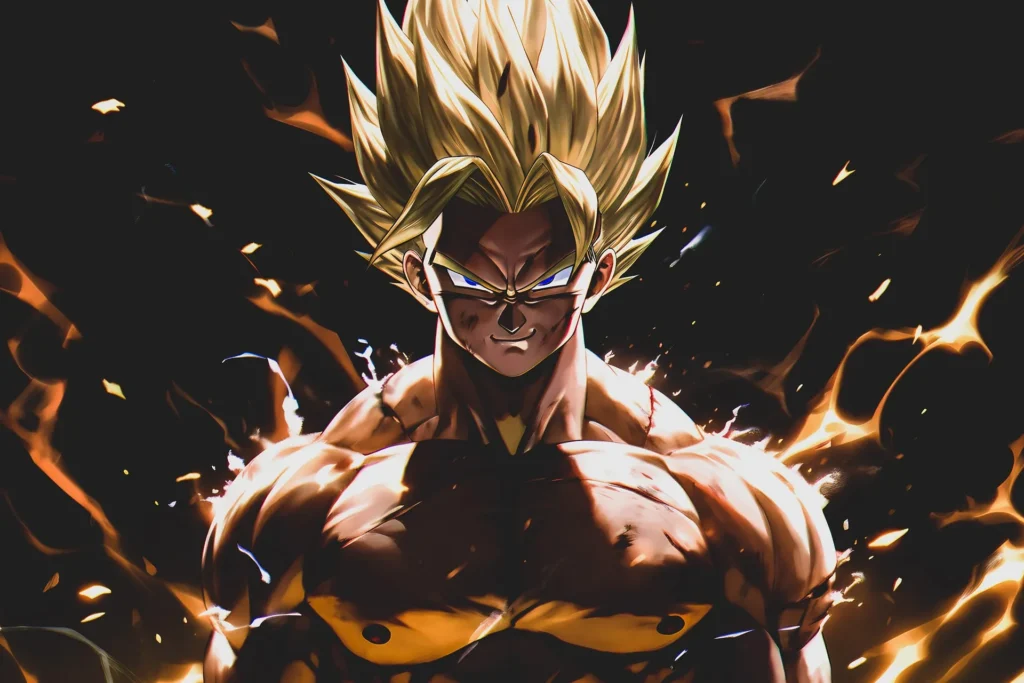
Shonen — written in Japanese as 少年 and pronounced roughly “show-nen” — translates most directly as “boy” or “youth,” and specifically refers to manga published in magazines targeting young male readers, typically understood as boys and teenagers roughly between the ages of twelve and eighteen, though the actual readership spans considerably beyond this.
The shonen demographic is home to the most globally famous manga titles in existence. Dragon Ball, Naruto, One Piece, Bleach, My Hero Academia, Demon Slayer, Attack on Titan, Fullmetal Alchemist, Hunter x Hunter, Death Note — all of these are shonen manga. The genre dominance of shonen titles in international manga fandom is so pronounced that many casual readers simply assume that shonen represents manga as a whole, which creates considerable confusion when they encounter the other demographics.
Where shonen manga lives: Shonen manga is published in shonen magazines — periodicals that release on weekly, biweekly, or monthly schedules and contain chapters from multiple ongoing series simultaneously. The most famous of these is Weekly Shonen Jump, published by Shueisha, which has been one of the best-selling manga magazines in the world for decades and has launched more iconic series than any other single publication. Other notable shonen magazines include Weekly Shonen Magazine, Weekly Shonen Sunday, and Monthly Shonen Magazine, each published by different companies and each with their own editorial culture and stable of series.
What shonen manga typically contains: Because shonen targets young male readers, its content has evolved around themes and narrative structures that historically resonated with this audience. Action and adventure are the most common narrative engines — stories built around physical conflict, competition, personal challenge, and the gradual growth of a protagonist through successive obstacles. The concept of “power progression” — characters becoming stronger, more skilled, or more capable over the course of a long narrative — is a defining feature of many shonen series.
Friendship is another central thematic pillar of shonen manga. The bonds between the protagonist and their companions — the found family of rivals, teammates, and loyal friends who support and challenge the main character — are often as emotionally central as the external conflicts of the plot. Many shonen series are, at their emotional core, stories about friendship, loyalty, and the power of human connection, even when they are also stories about fighting monsters or winning tournaments.
Personal growth and the overcoming of limitations define the emotional arc of most shonen protagonists. The hero begins with some combination of raw talent, unusual ability, or exceptional determination, and the story follows their development from underdog to recognized power through effort, loss, friendship, and perseverance. This narrative structure — sometimes described by the Japanese term “ganbari,” meaning the spirit of doing one’s best — is so pervasive in shonen that it has become virtually synonymous with the demographic in readers’ minds.
Common misconceptions about shonen: The most common misconception is that shonen is synonymous with action. While action is the most dominant genre within shonen, the demographic contains enormous variety. Bakuman is a shonen manga about creating manga. Hikaru no Go is a shonen manga about the board game Go. Food Wars is a shonen manga about competitive cooking. Silver Spoon is a shonen manga about agricultural school life. The common thread is the target audience and the underlying themes of growth, challenge, and friendship — not the specific genre.
The second common misconception is that shonen is only for boys or is somehow not for female readers. In practice, shonen manga has always had enormous female readership — Weekly Shonen Jump’s own readership surveys have consistently shown that a substantial percentage of their readers are female. Many women and girls have read and loved shonen titles their entire lives. The demographic label describes editorial intent and marketing targeting, not who is actually allowed to enjoy the content.
Shojo: Romance, Emotion, and Much More
Shojo — written as 少女 and pronounced “show-joe” — translates as “girl” or “young woman” and refers to manga published in magazines targeting young female readers, typically understood as girls and teenagers in roughly the same age range as shonen’s target audience, though again with a readership that extends well beyond.
Shojo manga is the second most globally recognized demographic and has produced many of the most beloved manga titles in the medium’s history. Sailor Moon, Cardcaptor Sakura, Fruits Basket, Nana, Ouran High School Host Club, Kimi ni Todoke, Clannad, Skip Beat, Revolutionary Girl Utena, and countless other beloved series fall under the shojo label.
Where shojo manga lives: Shojo manga is published in shojo magazines — periodicals targeting young female readership. The most famous include Ribon, Margaret, Hana to Yume, Bessatsu Margaret, and Nakayoshi, each of which has its own editorial personality and has launched iconic series over their decades of publication. Nakayoshi, for instance, was the original publication venue for both Sailor Moon and Cardcaptor Sakura.
What shojo manga typically contains: Shojo manga has historically centered on emotional interiority and relationship dynamics — the inner life of its characters, the complexity of human connection, and the experience of growing up as felt from the inside. Where shonen narratives frequently externalize conflict through physical confrontation, shojo narratives frequently internalize it through emotional experience, social dynamics, and the navigation of feelings.
Romance is the most dominant genre within shojo, and shojo has developed some of the most sophisticated and emotionally nuanced romantic storytelling in all of comics. The emotional experience of falling in love — the uncertainty, the hope, the vulnerability, the sometimes painful process of understanding one’s own feelings and communicating them to another person — is explored in shojo manga with a depth and care that is genuinely distinctive.
But as with shonen, reducing shojo to a single genre badly misrepresents the demographic’s actual range. Sailor Moon is a shojo manga about magical girls fighting cosmic evil. Revolutionary Girl Utena is a shojo manga that deconstructs fairy tale conventions through surrealist allegory. Nana follows two young women navigating adult life, careers, and relationships in a gritty, realistic way that has little in common with conventional romance manga. The Rose of Versailles is a shojo historical epic set during the French Revolution. Shojo encompasses all of these — the common thread is the emphasis on emotional experience and the target readership, not the content category.
The visual language of shojo: Shojo manga has developed a distinctive visual vocabulary that is recognizable even to readers unfamiliar with the demographic label. Highly expressive eyes — often large, detailed, and emotionally communicative — are a hallmark of shojo art style. Panel layouts tend to be more fluid and less rigidly structured than shonen, with frequent use of flowers, stars, sparkles, and other decorative elements to communicate emotional atmosphere. Internal monologue and emotional narration are prominent stylistic tools. These visual conventions have become so strongly associated with shojo that they influence manga art styles across demographics.
Common misconceptions about shojo: The most pervasive misconception is that shojo is only or primarily about romance — that it is a demographic defined by a single genre. The reality is considerably richer. Shojo is defined by its emphasis on emotional experience and its editorial targeting, and the range of stories that fall within it is as broad as any other demographic.
The second misconception is that shojo is only for girls or is inherently less serious or sophisticated than shonen. This reflects both gender bias in how media is discussed and the tendency to devalue content associated with female audiences. Many shojo titles are among the most emotionally sophisticated, thematically complex, and artistically accomplished works in all of manga.
Seinen: Adult Male Readership and Extraordinary Range
Seinen — written as 青年 and pronounced “say-nen” — translates as “young man” or “youth” (in a slightly older sense than shonen) and refers to manga published in magazines targeting adult male readers, typically understood as men roughly eighteen and older. If shonen targets teenage boys, seinen targets the adults those boys become.
The seinen demographic is home to some of the most diverse, artistically ambitious, and tonally varied manga in existence. Berserk, Vagabond, Vinland Saga, Goodnight Punpun, Nausea and Hunger, Oyasumi Punpun, Homunculus, Dungeon Meshi (Delicious in Dungeon), Chainsaw Man, Tokyo Ghoul, Berserk, Ghost in the Shell, Akira, 20th Century Boys, Monster, Blade of the Immortal, and many other landmark titles are seinen. The demographic also includes lighter, more comedic work — Genshiken, Lucky Star, and K-On! are all seinen — demonstrating the enormous tonal range of the category.
Where seinen manga lives: Seinen manga is published in seinen magazines targeting adult male readership. Major seinen publications include Young Jump, Young Magazine, Big Comic Spirits, Young Animal, Morning, and Afternoon, each with its own editorial character. Young Animal is the publication venue for Berserk. Morning has published Vagabond and Vinland Saga. Big Comic Spirits has published 20th Century Boys. The differences between these publications — their editorial values, the kinds of stories they commission, the audiences they specifically target within the broad seinen category — are themselves significant.
What seinen manga typically contains: Because its target audience is adults, seinen manga has considerably more latitude in terms of content, thematic complexity, graphic depiction, and narrative ambiguity than shonen. Violence can be more graphic and realistic. Themes can be darker and more morally complicated. Protagonists can be deeply flawed, morally compromised, or genuinely villainous. Narratives can be slower, more introspective, and less conventionally structured. Sexual content is possible in many seinen publications in ways that are not present in shonen.
But the defining quality of seinen as a demographic is not darkness or graphic content — it is the broader creative latitude that comes with targeting an adult readership. Seinen contains some of the most psychologically complex character studies in manga, some of the most sophisticated political and philosophical storytelling, and some of the most ambitious artistic experimentation in the medium. It also contains plenty of entertainment-focused, lighthearted content that simply targets adult readers rather than teenagers.
The moe subculture and seinen: One aspect of seinen that surprises many newcomers is the prominence within it of what is called moe content — manga featuring cute, often idealized characters in warm, gentle, slice-of-life contexts. Many of the manga most associated with the moe aesthetic — K-On!, Lucky Star, Non Non Biyori — are published in seinen magazines targeting adult male readers. This coexists with Berserk and Vagabond and Monster in the same demographic, which illustrates just how wide the seinen tent actually is.
Common misconceptions about seinen: Many people assume that seinen simply means dark or violent content, and that any sufficiently mature or disturbing manga must be seinen. This is incorrect on both counts — some of the darkest and most disturbing content in manga exists in shonen publications, while plenty of seinen manga is gentle, comedic, or lighthearted. The demographic is about target readership and editorial context, not content rating.
Josei: The Most Underrepresented and Misunderstood Demographic
Josei — written as 女性 and pronounced “joe-say” — translates as “woman” or “female” and refers to manga published in magazines targeting adult female readers, typically women roughly eighteen and older. Josei is the adult female counterpart to seinen in the same way that shojo is the teenage female counterpart to shonen.
Josei is the least globally recognized of the four major demographics, which is partly a consequence of fewer josei titles having been translated into English and other languages compared to the other three categories, and partly a reflection of broader patterns in which media targeting adult women receives less international commercial attention than media targeting male audiences or younger readers.
Notable josei titles include Nana (which straddles shojo and josei in interesting ways), Paradise Kiss, Chihayafuru, Honey and Clover, Princess Jellyfish, Loveless, and Midnight Secretary. Josei also contains a significant body of boys’ love (BL) and romantic fiction that features male-male romance aimed at female readers.
Where josei manga lives: Josei manga is published in josei magazines targeting adult female readership. Key publications include Chorus, Feel Young, Elegance Eve, Cocohana, and YOU. These publications have different editorial personalities and cover a wide range of content within the josei demographic.
What josei manga typically contains: Because it targets adult women rather than teenage girls, josei manga tends to address themes and relationship dynamics with a greater degree of realism and adult complexity than shojo. Romantic relationships in josei are more likely to include the complications of adult life — career pressures, past relationships, sexual realism, the challenges of maintaining connection across the responsibilities of adult existence. Characters deal with adult problems in adult ways, without the protective idealization that shojo romance sometimes employs.
This does not mean josei is uniformly darker or more cynical than shojo — it means it operates with a more adult sensibility. Josei manga can be warmly romantic and deeply optimistic; it can also be melancholy, unflinching about relationship difficulties, or willing to portray love that does not have clean, happy resolutions. The emotional register is calibrated for readers who have more adult experience of love and life than the teenage readership shojo addresses.
Josei also has a strong tradition of stories centered on women’s professional lives, friendships, and personal development — narratives that take adult women’s interests and ambitions as their central subject rather than treating romance as the primary or only arena of female experience.
Why josei deserves more recognition: The relative underrepresentation of josei in international manga discourse reflects a genuine gap in the availability and visibility of josei titles in translated form, but also a broader pattern of undervaluing media that targets adult women. The josei titles that have been translated — Honey and Clover, Princess Jellyfish, Chihayafuru — are among the most emotionally sophisticated and artistically accomplished works in all of manga, and they suggest that deeper engagement with josei as a category would significantly enrich international manga culture.
How the Four Demographics Relate to Each Other
Understanding the four demographics in relation to each other reveals the underlying logic of the system more clearly than understanding them individually.
The demographics form a two-by-two matrix defined by two axes: gender targeting and age targeting. Shonen targets younger male readers; seinen targets older male readers. Shojo targets younger female readers; josei targets older female readers. The system reflects the historical structure of the Japanese magazine publishing industry, which organized its readership by these demographic categories for commercial and editorial reasons.
This structure has several important implications. First, it means that the same author might publish in multiple demographics over their career — or simultaneously in different demographics for different series — depending on their subject matter and the editorial fit with different publications. Second, it means that a single story might genuinely fit multiple demographics and be classified differently depending on which magazine it is published in. Third, it means that the demographic label is ultimately an editorial and commercial designation, not a categorical truth about the content itself.
The boundaries between demographics are also considerably more porous than the clean four-category system suggests. Many manga titles are read enthusiastically across demographic lines — as discussed, shonen has always had large female readership, and many women read seinen. Many men read shojo and josei. The system describes publishing and marketing contexts, not readership reality.
The Role of the Publication Magazine
One of the most important practical points about manga demographics is that they are determined by the magazine in which a manga is published, not by the content of the manga itself. If a manga is published in Weekly Shonen Jump, it is shonen, full stop — regardless of whether its content seems more suited to seinen or whether its actual readership skews older or more female than Jump’s target demographic.
This means that the demographic classification of a manga can sometimes seem counterintuitive based on content alone. Chainsaw Man, which contains graphic violence and dark themes that many readers associate with seinen, is in fact a shonen manga — it was published in Weekly Shonen Jump. Death Note, with its psychological complexity and moral darkness, is also a shonen manga. Conversely, some seinen manga are remarkably gentle and cute in their content.
The magazine context also means that demographic classification carries editorial implications beyond just target audience. Each magazine has its own editorial culture, its own reader relationship, its own conventions and expectations. A manga’s position within that editorial context shapes how it is made, what its creator can and cannot do within it, and how it relates to the other works published alongside it.
Beyond the Four: Other Demographic and Genre Categories
While seinen, shonen, josei, and shojo are the four primary demographic categories, the broader landscape of manga publishing contains additional categories that are worth briefly acknowledging.
Kodomomuke — literally “directed at children” — refers to manga targeting the youngest readers, children below the shonen and shojo age range. Doraemon, Pokémon Adventures, and many other beloved children’s titles fall into this category.
Boys’ Love (BL) and Girls’ Love (GL or yuri) are categories that sometimes operate as sub-demographics within the larger system — BL traditionally targets female readers (and is often published in josei or shojo contexts) while GL can target various demographics. These have become significant publishing categories with their own dedicated magazines and readerships.
There are also various hybrid and specialty demographics — ladies’ comics (redisu) for older women, business manga targeting working adult men, and various other niche publications — that exist alongside the main four categories.
Why Understanding Demographics Makes You a Better Manga Reader
Understanding the demographic system does something valuable for manga readers beyond simply providing terminology: it reframes how you think about the medium and the specific works within it.
When you understand that a manga’s demographic label reflects editorial context and target audience rather than content rules, you stop expecting all shonen to be action-heavy or all shojo to be romance-focused, and you start engaging with each work on its own terms rather than through the filter of simplified demographic assumptions. You recognize that a beautifully drawn romance in a shonen magazine is not anomalous — it is simply a shonen manga that chose romance as its narrative vehicle for the themes of growth and connection that define the demographic. You recognize that a violent, dark story in a shojo magazine is not misclassified — it is simply a shojo manga exploring difficult themes through the emotional interiority that defines its demographic approach.
Understanding the demographic system also helps you navigate recommendation communities more effectively. When someone recommends “good seinen” or “underrated josei,” you understand that they are pointing you toward a publication context and an implied editorial sensibility rather than a specific set of content attributes. You can follow those recommendations with appropriate expectations and appropriate openness to variety within the category.
Finally, understanding the demographic system gives you insight into the commercial and cultural structure of the manga industry — how publishers think about their audiences, how editorial decisions get made, and how the enormous diversity of manga production is organized and distributed. This broader understanding enriches your engagement with individual works by situating them within the larger ecosystem that produced them.
Quick Reference: The Four Demographics at a Glance
For readers who want a simple summary after absorbing all of the nuance above, here is the essential information in its most condensed form.
Shonen targets young male readers, typically teenagers. It emphasizes action, friendship, personal growth, and perseverance. Famous examples include Naruto, One Piece, Dragon Ball, and My Hero Academia. Published in magazines like Weekly Shonen Jump.
Shojo targets young female readers, typically teenagers. It emphasizes emotional experience, relationships, and personal development. Famous examples include Sailor Moon, Fruits Basket, and Ouran High School Host Club. Published in magazines like Ribon and Nakayoshi.
Seinen targets adult male readers, typically eighteen and older. It has broader creative latitude and greater thematic complexity, ranging from dark and graphic to lighthearted and cute. Famous examples include Berserk, Vagabond, Dungeon Meshi, and Chainsaw Man. Published in magazines like Young Jump and Young Animal.
Josei targets adult female readers, typically eighteen and older. It addresses romantic and personal themes with adult realism and complexity. Famous examples include Honey and Clover, Nana, and Princess Jellyfish. Published in magazines like Feel Young and Cocohana.
All four are demographics, not genres. All four contain enormous variety. All four are read by audiences well beyond their intended target demographic. And all four have produced works that rank among the greatest achievements in the history of comics as a medium.
The Bottom Line
The four major manga demographics — seinen, shonen, josei, and shojo — are one of the most useful pieces of vocabulary for anyone who wants to engage seriously with manga culture, not because they rigidly define what a work contains, but because they reveal the commercial, editorial, and cultural context in which the work was created and distributed.
Understanding these terms means understanding that manga is not a monolith but a richly organized ecosystem of publications targeting different audiences with different needs, interests, and life experiences. It means understanding that the diversity of manga — its extraordinary range of themes, tones, styles, and subject matter — is not random but organized along lines that reflect genuine thinking about what different readers want and need from storytelling.
And it means approaching each manga you read with the right kind of openness: knowing the context from which a work comes, but never letting that context limit your expectations of what you might find inside it.
Leave a Reply