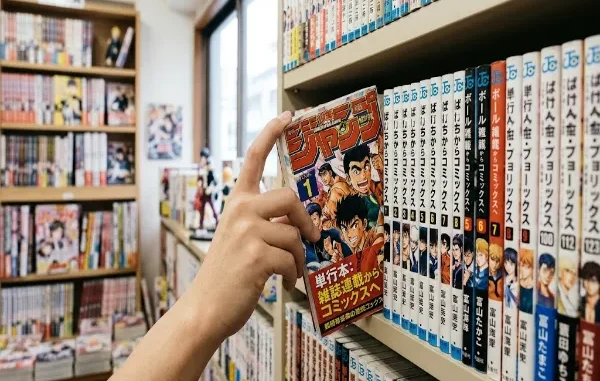
Manga has become a global entertainment phenomenon, attracting readers with its distinctive artwork, memorable characters, and diverse storytelling styles. While many people discover manga through individual chapters published online or in Japanese magazines, a large portion of the industry revolves around another important format: the tankobon.
A tankobon is a collected book volume that brings together previously published chapters of a manga series. Instead of reading a story one chapter at a time in a magazine, readers can purchase or borrow a single volume containing several chapters in a convenient, book-like format.
Tankobon volumes play an important role in the manga publishing industry. They allow readers to follow stories in larger sections, help publishers reach new audiences, and give successful manga series a lasting physical presence in bookstores and libraries.
But how does a manga chapter become part of a tankobon? Why are these volumes so popular, and how do they differ from manga magazines, omnibus editions, and other collected formats?
Understanding the tankobon format provides a closer look at how manga is created, published, collected, and enjoyed around the world.
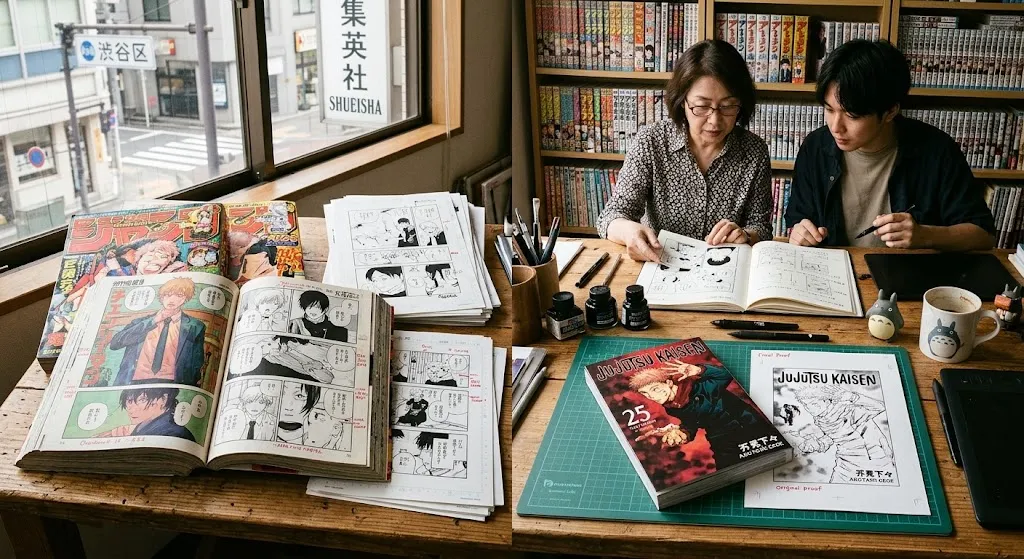
What Is a Tankobon?
A tankobon (単行本) is a Japanese term that generally refers to a book published as an independent volume rather than as part of a magazine or newspaper issue.
In the manga industry, the word most commonly describes a collected volume containing several chapters of a series that may have originally appeared in a manga magazine.
For example, a manga artist might publish one chapter every week in a magazine. After several chapters have been released, the publisher collects them, prepares the pages for book publication, and releases them together as a tankobon.
A single volume might contain approximately eight to twelve chapters, although the number varies considerably depending on chapter length, the type of manga, and the publisher’s editorial decisions.
Tankobon volumes are usually printed in a compact format that makes them easy to hold, transport, and store. They commonly feature a dedicated cover, a volume number, a title, and other identifying information.
Many readers recognize tankobon as the familiar paperback manga books sold in bookstores and comic shops around the world.
Although tankobon is not exclusively a manga term, its association with collected manga volumes is particularly strong among international fans.
How Manga Chapters Become Tankobon Volumes
The journey from an individual manga chapter to a collected volume involves several stages. It begins with the original serialization and continues through editorial preparation, production, and distribution.
1. Manga Chapters Are Published in Magazines
Many manga series originally appear in Japanese manga magazines.
These magazines may be published weekly, biweekly, monthly, or according to another schedule. They feature chapters from multiple series, allowing readers to follow several stories within a single issue.
For example, a weekly magazine might contain a new chapter of an action manga, a romantic comedy, a sports story, and several other ongoing series.
Readers purchase the magazine to access the latest installments of their favorite titles.
At this stage, a manga chapter is usually part of a larger magazine publication rather than a separate book.
Not every manga follows this route, however. Some series are published directly as collected books, while others debut on digital platforms or publisher-operated websites.
2. Publishers Collect Multiple Chapters
Once enough chapters of a series have been published, the publisher may decide to compile them into a tankobon.
The timing depends on the series’ release schedule, the number of completed chapters, the publisher’s production plans, and the length of the material.
A weekly manga might accumulate enough chapters for a new volume after a few months. A monthly series may take considerably longer.
The collected volume gives readers the opportunity to experience a more substantial portion of the story without purchasing multiple magazine issues.
It also makes earlier chapters available to readers who did not follow the original serialization.
3. Editors Review and Prepare the Material
Before publication, the chapters undergo editorial and production preparation.
The publisher may correct printing errors, improve certain pages, adjust dialogue, or make other changes in consultation with the creator and editorial team.
The exact process varies by publisher and series. Some collected editions reproduce the original magazine chapters with relatively few changes, while others contain more substantial revisions.
Artwork may also be adjusted to fit the final book layout.
The purpose is to produce a polished edition that reads smoothly as a complete volume.
4. Additional Content May Be Included
Tankobon volumes sometimes contain material that was not available in the original magazine chapters.
Depending on the series, this may include:
- Revised or redrawn illustrations.
- Additional pages or short bonus chapters.
- Author comments and acknowledgments.
- Character profiles and supplementary information.
- Special illustrations or promotional artwork.
- Notes explaining references or details about the story.
Not every tankobon contains bonus material. Some volumes are primarily straightforward collections of previously published chapters.
Nevertheless, additional content can make collected editions particularly appealing to dedicated fans and collectors.
5. The Volume Is Printed and Distributed
After the editorial and production work is complete, the tankobon is printed and prepared for distribution.
The volume receives a cover design, publication information, and a place within the series’ numbering system.
It may then be sold through bookstores, comic shops, online retailers, and other distribution channels.
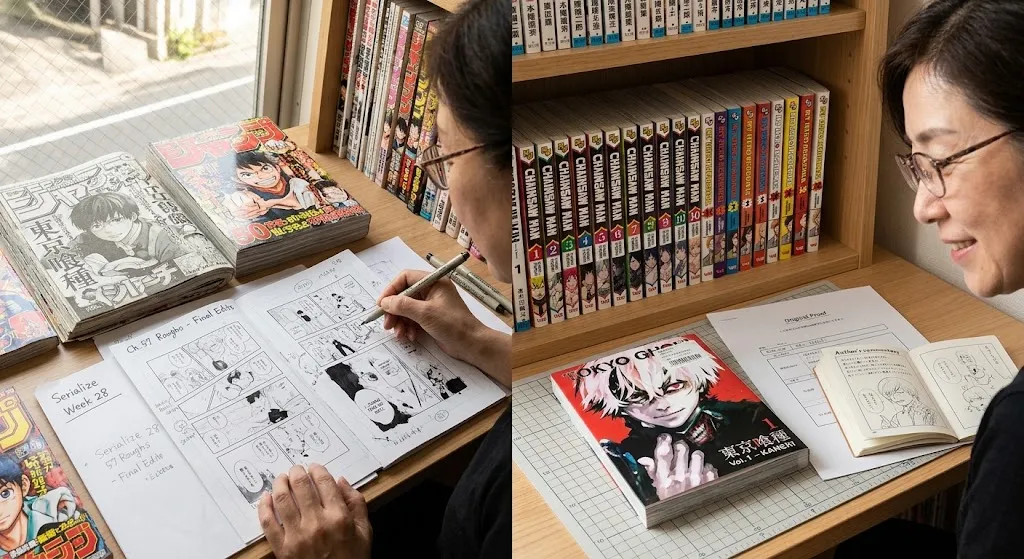
For international audiences, a publisher may acquire translation rights and release a localized edition. The translated volume generally preserves the original story while adapting dialogue, lettering, and other elements for the target language.
Digital editions may also be released, depending on the publisher’s distribution strategy.
The result is a book that readers can purchase, borrow, reread, and collect independently of the original magazine.
Why Are Tankobon Volumes So Popular?
Tankobon volumes have become one of the most recognizable ways to read manga because they offer several advantages over individual magazine chapters.
A More Convenient Reading Experience
Reading a story across several chapters in one book allows readers to follow the narrative without repeatedly waiting for the next installment.
This is particularly useful for stories with complex plots, multiple characters, or frequent cliffhangers.
Instead of remembering details from chapters published weeks apart, readers can move directly from one chapter to the next.
The collected format also makes it easier to reread earlier scenes and appreciate how the story develops.
A Practical Format for Collectors
Tankobon volumes are usually compact and designed for convenient storage.
Their numbered spines make it possible to arrange an entire series on a bookshelf, creating an organized collection.
For readers who enjoy owning physical copies of their favorite stories, collecting each volume can become an important part of the manga experience.
Some editions also feature distinctive cover artwork, special printing, or limited-edition extras that appeal to collectors.
Access to Earlier Chapters
Readers who discover a manga after it has been running for several years may find it difficult to locate all the original magazine issues.
Tankobon volumes solve this problem by collecting earlier chapters into accessible books.
A new reader can begin with Volume 1 and continue through subsequent volumes without searching for individual magazine installments.
This is one reason collected editions remain important for introducing established series to new audiences.
A Different Experience From Digital Reading
Digital manga offers convenience, portability, and immediate access to large catalogs. Tankobon provides a different experience for readers who enjoy physical books.
Printed volumes allow readers to appreciate the artwork on paper, turn pages at their own pace, and display their collections.
They can also be shared or borrowed, subject to ordinary ownership and lending arrangements.
Neither format is inherently superior. The best choice depends on a reader’s preferences, budget, available space, and access to particular titles.
How Many Chapters Are in a Tankobon?
There is no universal number of chapters in a tankobon.
The number depends on several factors, including the length of each chapter, the manga’s publication schedule, the target audience, and the publisher’s production decisions.
Some volumes contain numerous short chapters, while others include only a few longer installments.
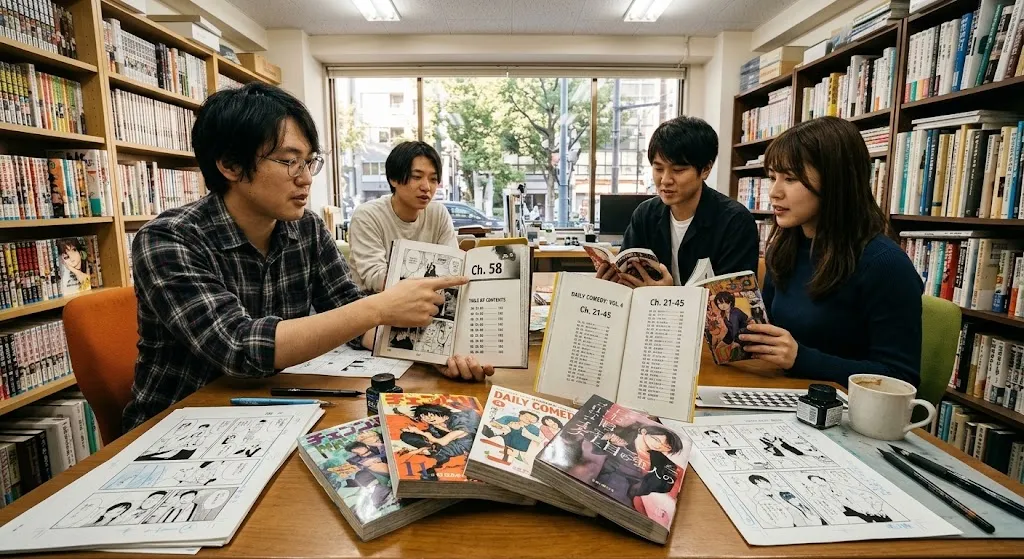
As a general illustration, a volume might collect around eight to twelve chapters from a weekly series. However, this is only a rough example, not an industry-wide rule.
A manga with unusually long chapters may require fewer installments per volume. A comedy manga made up of short episodes may include many more.
Publishers also consider page count, printing costs, binding requirements, and the natural structure of the story when deciding where one volume should end and the next should begin.
Consequently, the number of chapters is less important than the overall reading experience and the amount of material included.
What Is the Difference Between Tankobon and a Manga Magazine?
Although both formats contain manga, they serve different purposes.
A manga magazine publishes chapters from multiple series, often according to a regular schedule. A tankobon collects chapters from a particular series into a dedicated book.
Consider a weekly manga magazine containing 20 different series. A reader may follow several of them by purchasing each issue.
When enough chapters of one series have been published, those installments may be collected into a tankobon. The resulting book focuses on that single title rather than presenting a selection of unrelated stories.
The two formats therefore serve different reading habits.
Magazines are useful for following ongoing serialization and discovering new titles. Tankobon volumes are better suited to readers who want to read a series in larger sections or build a complete collection.
They also differ in physical presentation. Many manga magazines are relatively thick periodicals printed on inexpensive paper, while tankobon volumes are designed as standalone books with individual covers and more durable binding.
However, exact production standards vary among publishers and editions.
Tankobon vs. Omnibus Editions
Another term that manga readers encounter is omnibus.
An omnibus edition combines multiple original volumes into a larger book. Depending on the publisher, an omnibus might contain two or three standard tankobon volumes, although the format varies.
The distinction is straightforward: a standard tankobon usually represents one collected volume of a manga series, while an omnibus edition groups several such volumes together.
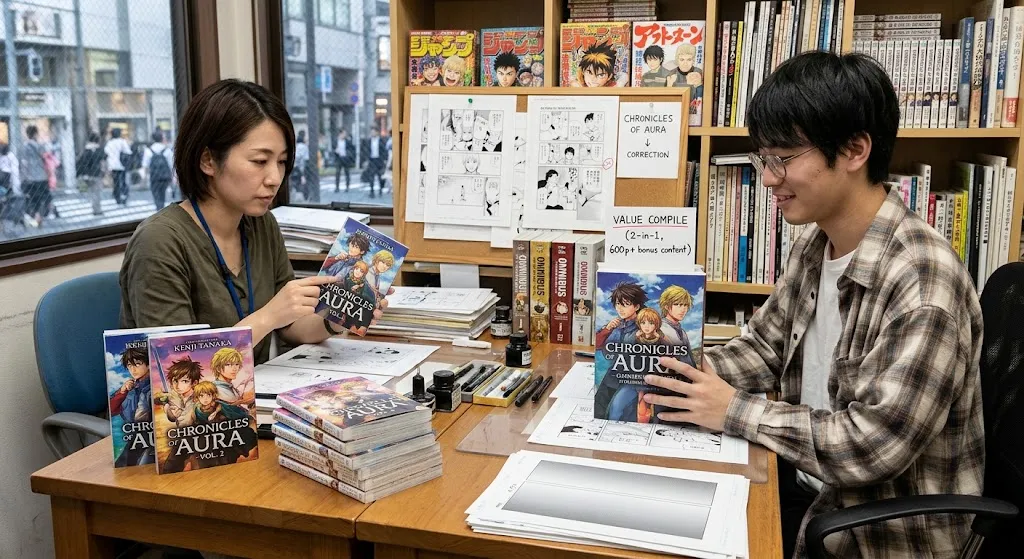
Omnibus editions can offer better value per chapter and reduce the number of books needed to complete a series.
However, they may be heavier, bulkier, and less convenient to carry.
Some omnibus editions also use different paper, binding, dimensions, or cover designs compared with the original volumes.
For readers who want a compact book for everyday reading, standard tankobon volumes may be preferable. For those looking to collect a long series with fewer purchases, omnibus editions can be an attractive alternative.
Tankobon vs. Kanzenban, Sōshūhen, and Other Editions
Manga publishers use several terms to describe collected editions. Although these formats can overlap, they often have different publishing goals.
Tankobon
A standard collected volume containing chapters from a manga series. It is commonly the primary book format in which readers purchase an ongoing or completed manga.
Kanzenban
Kanzenban generally means a complete or definitive edition. In manga publishing, it often refers to a premium reprint of an existing series.
Depending on the release, a kanzenban edition may feature larger pages, improved printing, color pages, revised artwork, or other special features.
Not every kanzenban edition includes all these enhancements, and the exact meaning depends on the publisher.
Sōshūhen
Sōshūhen refers broadly to a comprehensive collection or compilation. In manga publishing, these editions can gather large portions of a series into substantial books, sometimes reproducing material in a magazine-like format.
They may include additional content or different page arrangements, depending on the release.
Bunko Editions
A bunkoban is a compact paperback format traditionally associated with Japanese pocket-sized books. When a manga is reissued in this format, it may be published in smaller, more portable volumes.
These editions can be convenient for readers with limited shelf space, although the artwork may appear smaller than in standard editions.
The terminology is useful when shopping for manga because different editions of the same series may contain similar stories but differ in size, presentation, supplementary material, and price.
Do Tankobon Volumes Contain the Entire Manga Story?
Not necessarily.
For an ongoing manga, each tankobon contains only a portion of the overall story. Readers need to purchase or borrow additional volumes to continue following the series.
For example, Volume 1 might introduce the protagonist and establish the main conflict. Volume 2 could develop the supporting cast, while later volumes introduce new challenges and plot developments.
When a manga is completed, the publisher may eventually release a full sequence of collected volumes covering the entire story.
However, completion does not always mean that every edition is available in every country or language.
Some series may be discontinued, remain partially translated, go out of print, or become available only through digital services.
Before starting a long series, readers who want to own the complete story may find it useful to check how many volumes have been published and whether the desired edition is still available.
How Tankobon Publishing Supports Manga Creators
Collected volumes are important not only for readers but also for manga creators and publishers.
Magazine serialization provides one way for a series to reach readers. Tankobon publication provides another opportunity for the work to find an audience.
Readers who discover a series through word of mouth, an anime adaptation, or online discussion may later purchase the collected volumes to explore the original story.
The commercial performance of collected volumes can also contribute to decisions about a series’ future. Publishers may consider book sales alongside magazine readership, digital performance, licensing opportunities, and other business factors.
However, the relationship between sales and a series’ continuation is not identical across publishers or titles.
For creators, collected editions also preserve their work in a format that can remain available after the original magazine issue is no longer easily obtainable.
The publishing model therefore connects serialized storytelling with longer-term readership and collection.
How Anime Adaptations Influence Tankobon Sales
Anime adaptations often introduce manga to audiences who might not otherwise have discovered the original series.
After watching an anime, viewers may want to continue the story beyond the final episode or compare the adaptation with the source material.
Tankobon volumes provide a convenient way to do this.
Some anime adaptations follow the manga closely, while others change events, omit chapters, rearrange storylines, or develop an original ending. Reading the manga allows fans to experience the creator’s original narrative as published in the collected volumes.
An anime adaptation can also encourage viewers to start from Volume 1 to explore character development and story details that may not have appeared on screen.
However, increased interest does not guarantee higher sales for every title. The effect depends on the popularity of the adaptation, the availability of the manga, marketing, pricing, and other factors.
For successful series, the relationship between anime and tankobon can help introduce the same story to different audiences across multiple formats.
Are Tankobon Volumes Available Digitally?
Yes. Many manga publishers offer digital versions of collected volumes.
Digital tankobon editions generally preserve the structure of the printed books, including their chapter order, volume numbering, and often their cover artwork.
They can be purchased through authorized digital bookstores or accessed through subscription services, depending on the publisher and the territory.
Digital editions offer several advantages. Readers can carry large collections on a phone, tablet, or e-reader without needing physical storage space. They may also be easier to obtain when printed editions are unavailable locally.
Nevertheless, digital availability varies. Some manga are not officially translated, some editions are restricted to particular countries, and certain older titles may be difficult to find legally.
Readers should check whether the edition is complete, which language it uses, and whether the service provides permanent purchases or access limited to an active subscription.
How to Choose the Right Tankobon Edition
Readers interested in purchasing a manga series may encounter several editions with different prices and physical specifications.
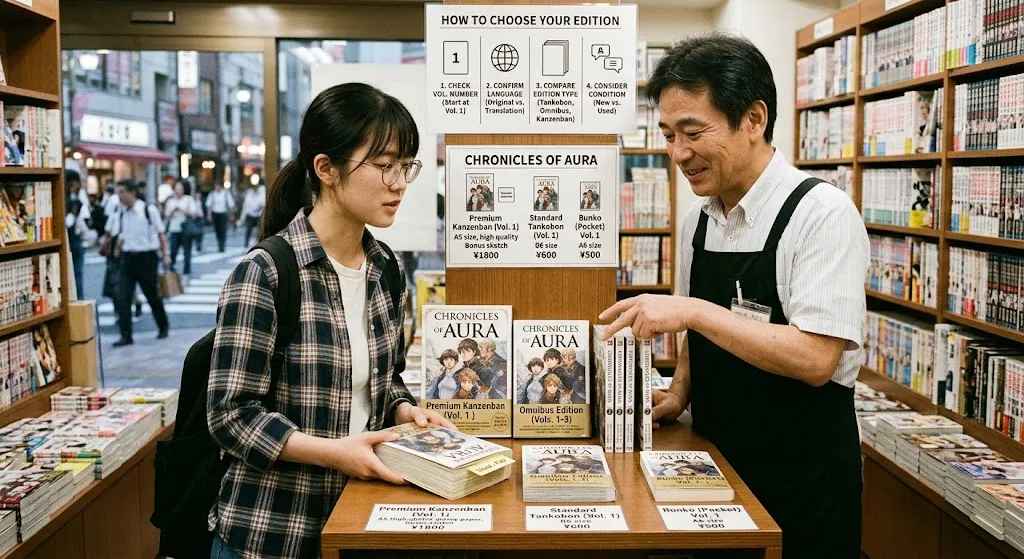
A few practical considerations can help.
Check the volume number. If you are beginning a series, Volume 1 is usually the best starting point unless you intentionally want to begin later.
Confirm the language. Japanese originals, English translations, and editions in other languages may have different publication schedules and availability.
Compare the edition type. A standard tankobon, omnibus, kanzenban, or other reprint may contain similar story material but differ in size, presentation, and extras.
Consider the condition. For used books, examine the cover, spine, pages, and any signs of moisture or damage.
Check the publication status. If you want to collect an entire series, confirm how many volumes are available and whether the remaining books are still in print.
Buy from reliable sellers. Established bookstores, recognized online retailers, and reputable secondhand sellers can help reduce the risk of counterfeit, incomplete, or inaccurately described editions.
Consider your reading preferences. Some readers prefer the original Japanese format, while others value translated editions that make the story easier to follow.
Choosing the right edition can make collecting more enjoyable and help prevent unnecessary purchases.
Why Tankobon Matters to Manga Culture
Tankobon is more than a convenient way to package manga chapters. It is an important part of the relationship between serialized storytelling, book publishing, and fandom.
The format allows a manga to move beyond its original magazine appearance and become a standalone work that readers can revisit for years.
It also helps established series reach new audiences. A reader who missed the original serialization can discover the story through collected volumes, while a longtime fan can preserve a favorite series on a bookshelf.
The availability of different editions also supports a diverse collecting culture. Some readers prefer standard paperback volumes, others choose premium reprints, and some opt for digital collections.
These formats provide different ways to experience the same underlying story.
As manga publishing continues to expand internationally, tankobon remains a familiar and important format connecting Japanese publishing traditions with readers around the world.
Frequently Asked Questions About Tankobon
No. Manga refers to the comics themselves, while tankobon generally describes a collected book edition. A manga story can appear in magazines, tankobon volumes, digital chapters, and other formats.
A tankobon is a complete physical or digital volume, but it does not necessarily contain the entire story. Ongoing or long-running series are usually divided across multiple volumes.
There is no fixed number. Some volumes contain around eight to twelve chapters, while others include fewer long chapters or many shorter ones.
Often, yes. Many manga chapters first appear in magazines and are later collected into tankobon volumes. However, some manga debut directly online or in book format.
They can be worthwhile for readers who enjoy physical books, want to reread stories, or prefer organized collections. Whether they are worth the cost depends on personal preferences, availability, and budget.
A tankobon generally contains one collected volume of a manga. An omnibus combines multiple original volumes into a larger edition.
Yes. Many publishers sell digital collected volumes, although availability depends on the title, language, publisher, and region.
Some include bonus chapters, revised artwork, author notes, or additional illustrations. Others simply collect previously published chapters with minimal changes.
Conclusion
A tankobon is a collected manga volume that brings previously published chapters together in a convenient book format. Although many manga series begin in magazines or digital installments, tankobon volumes allow readers to experience the story in larger sections and build collections of their favorite titles.
The format offers practical benefits, including easier reading, access to earlier chapters, and a lasting physical edition of a manga series. It also plays an important role in the publishing industry by connecting serialized releases with book sales, new readers, and international distribution.
Understanding the differences between tankobon, manga magazines, omnibus editions, and premium reprints can help readers choose the format that best suits their interests.
Whether someone is discovering manga for the first time, continuing a favorite series after watching its anime adaptation, or collecting a complete story, tankobon remains one of the most familiar ways to experience manga beyond its original serialization.
Leave a Reply